The other week, my friend hit a wall. On paper, she has it together—great job, busy social life, always “on.” But inside, she felt wrung out, anxious, and disconnected. She told me, “I feel like I’m living in everyone else’s calendar except my own. How do you make rest look easy?” “Well, it hasn’t always been. Modern life constantly reminds me where I need to adjust.”
The thing about balance: it’s not about doing all the things, it’s about having the energy and space for what matters to you. Dr. Rangan Chatterjee (med crush) says that health isn’t just about not being sick—it’s about feeling energized, connected, and purposeful. My friend had energy for obligations, sure, but pleasures? Meaningful rest?
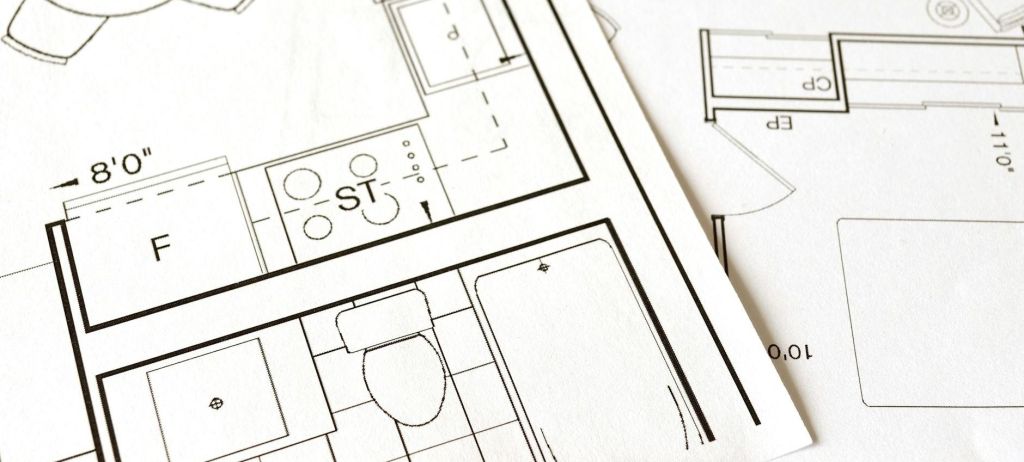
So I asked her to try a visualization. “Imagine your life is a house or a pie, each room or slice represents something—family, friendships, work, play, solitude, self-care. Now draw it. How big is each?”
Her sketch was eye-opening: work took up half the house, friendships another third, and there was barely a closet-sized nook left for herself. No wonder she felt out of sync.
This is where Gabor Maté’s words ring true and I relay this to my patients almost everyday: “If you don’t know how to say no (or take rest), your body will say it for you.” my friend’s exhaustion and constant headaches weren’t random—they were her body’s way of crying out for balance.
As the concept was so foreign for her, she’s another Midwesterner who grew up sacrificing herself for the greater good, she asked me for an example as apparently I seem to have my shit together. Clearly she doesn’t know me THAT well. “Routine.” Sounds boring, but in the right context allows for rest.
Structure doesn’t have to feel rigid—it can actually be the thing that gives you freedom. When you know what’s coming next, you don’t have to live in constant decision-making mode. You can lean into the rhythm of your day and actually relax in the spaces in between.
Take mornings, for example. I keep a simple routine that sets the tone for everything else. I wake up, make my bed, and for the first hour, I don’t touch my phone. While the coffee brews, I leash up Ibis and we go for a walk, soaking in sunshine and movement. By the time I’m back, I’ve already checked off fresh air, light, and connection. Then I give myself a full hour before “work” begins—sometimes I read, sometimes I listen to a podcast, sometimes I doom scroll while sitting on the patio curled up in a blanket to breathe in as much fresh air as I can before being sealed into a hermetic box for the day. The activity doesn’t matter so much; what matters is that it’s time I’ve carved out just for me.
That structure—wake, walk, coffee, me-time—creates a container I can trust. I don’t have to negotiate with myself about whether I’ve “earned” rest, or feel guilty for not being productive. I know the workday will be packed, so this ritual gives me a built-in pocket of freedom, a place where I can just be.
As Dr. Chatterjee, I seriously cannot get enough of his philosophy, often points out, routines aren’t about restriction, they’re about liberation: they lower the mental load, anchor your day, and make space for what matters most. And Maté might add that when we honor these small daily practices, we’re choosing alignment with our true needs instead of being carried away by external demands.
Structure, paradoxically, is what allows us to exhale.
So my friend started making tiny shifts. She carved out one evening a week just for herself—no emails, no social plans, just space to rest or read or walk. She shrank her “work room” by actually leaving on time twice a week. She expanded her “self-care room” by getting back into pilates and riding, something she’d loved but let slip.
Within a few weeks, she didn’t feel like she was failing at balance anymore. She felt lighter, more present, and way less resentful of responsibilities. Her house still had busy rooms, but now it felt like a place she actually wanted to live in, no longer feel guilty for canceling plans or saying no on days where she just needed more rest.
Balance isn’t static—it’s not a finish line you cross. It’s a living, breathing state of harmony that shifts with you. Some weeks you’ll lean into work, others into play or solitude. The point is noticing when the rooms in your “house” feel out of proportion and adjust before the structure collapses.
 The Ginger *Snap*s