Something I wish I had understood in my 20s is the concept of a growth mindset. You’ve probably heard the term — it was popularized by Stanford psychologist Dr. Carol Dweck in her book Mindset, which I highly recommend. At its core, it comes down to this: people with a fixed mindset believe their abilities, intelligence, and traits are set in stone, while people with a growth mindset believe those same qualities can improve through effort, perseverance, guidance and failure.
For most of my younger years, I operated with a fixed mindset. Whenever I failed, struggled, or got rejected, I saw it as proof that I just wasn’t enough — not smart enough, not good enough, not “whatever” enough. What I didn’t understand was that those challenges, had they been cultivated, could have been opportunities to grow stronger, wiser, and more resilient.
As a kid, my shyness wasn’t just about being quiet. It was about being terrified of fucking up (because failure wasn’t an option) — of feeding the shame spiral I was already caught in. That fear of failure carried into my personal and romantic relationships, where I often held back or shrank myself to avoid the sting of rejection or judgement. For years, shame dictated how I showed up in the world.
It wasn’t until after my divorce that everything shifted. I finally had to meet myself, honestly and unflinchingly, and I realized I didn’t want to keep living as the victim of my own story. I didn’t want to be that small, fearful version of myself anymore. I wanted to believe in my ability to change, to grow, to step into something new and amazing.
Looking back, I can see how different my early adulthood might have felt if I had been raised with a “not yet” mindset instead of a fixed one. I probably would have had a healthier relationship with my parents, because mistakes wouldn’t have felt like shameful failures — they would have been stepping stones. “Not yet” would have given me permission to be in progress, to see setbacks as part of the process instead of proof that something was wrong with me.
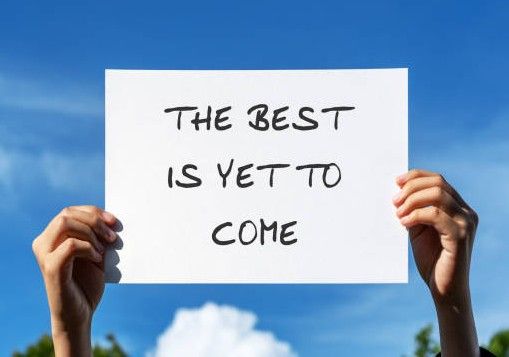
That tiny phrase, “not yet,” opens the door to possibility. I don’t know how to do this — yet. I’m not where I want to be — yet. It shifts the story from final judgment to ongoing growth.
And that’s what I want for you. To look at your life and ask: Where am I operating from a fixed mindset? Where can I add the word “yet” to loosen the grip of shame and make space for growth?
Because failure doesn’t mean you’re finished. It just means you’re still on the curve of learning.
 The Ginger *Snap*s