As the new year arrives, there’s often a quiet pressure to reset, improve, and push forward. New intentions, new goals, new energy. But if there’s one lesson worth carrying into this season—and one Dr. Rangan Chatterjee returns to often—it’s that lasting change rarely comes from doing more. It comes from creating space for rest.
Life has a way of slowly piling on. Full calendars. Endless mental lists. Emotional weight we don’t always acknowledge. Many of us carry far more than we realize, adapting so well that running on empty begins to feel normal. We push through and tell ourselves we’ll rest later, not noticing how close we are to feeling depleted or burned out. The body, though, is always paying attention—even when the mind insists everything is fine.
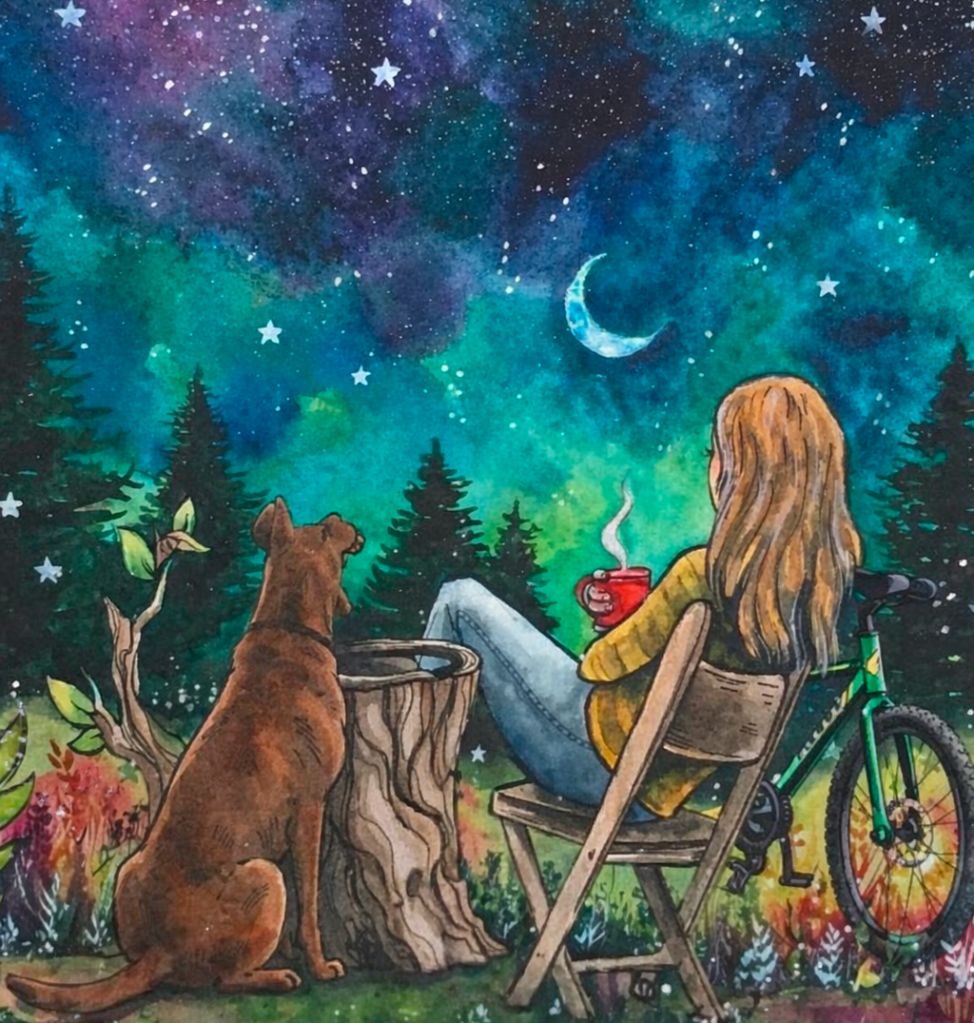
Rest is not a reward; it’s a biological necessity. When we give ourselves permission to recharge, even in small and ordinary ways, we soothe the nervous system and allow the body to repair. This doesn’t require perfection or grand gestures. It might be five quiet minutes before reaching for your phone, a gentle walk without tracking it, or choosing stillness over productivity. We are reminded, intention matters more than intensity.
But restoration doesn’t always look like slowing down. Sometimes, it looks like asking for help.
For those of us accustomed to doing life on our own, independence can become both a strength and a blind spot. We’re capable. We manage. We handle things quietly. And because of that, it’s often assumed—by others and by ourselves—that we can take on more. An extra responsibility. An extra shift. Another emotional load. One more thing to hold. Being solo can sometimes mean being leaned on more, not less, simply because there isn’t a visible partner or family sharing the weight. Therefore also rarely reciprocated.
Yet our nervous systems are wired for support and connection. Carrying everything alone, even when we’re “managing,” keeps the body in a subtle state of stress. Over time, that strain shows up as fatigue, tension, or a sense of overwhelm we can’t quite explain. Allowing ourselves to be helped isn’t weakness—it’s regulation. It’s care. It’s choosing sustainability over survival.
As we step into the new year, perhaps the most meaningful intention isn’t to do more, but to listen more closely—to our energy, our limits, and our need for support. To rest before exhaustion demands it. To receive help instead of assuming we must carry everything alone. Because the way we care for ourselves today shapes how we’ll feel tomorrow. And when we protect our energy, we don’t just preserve our health—we protect our capacity for presence, joy, and the quiet beauty woven into everyday life.
 The Ginger *Snap*s