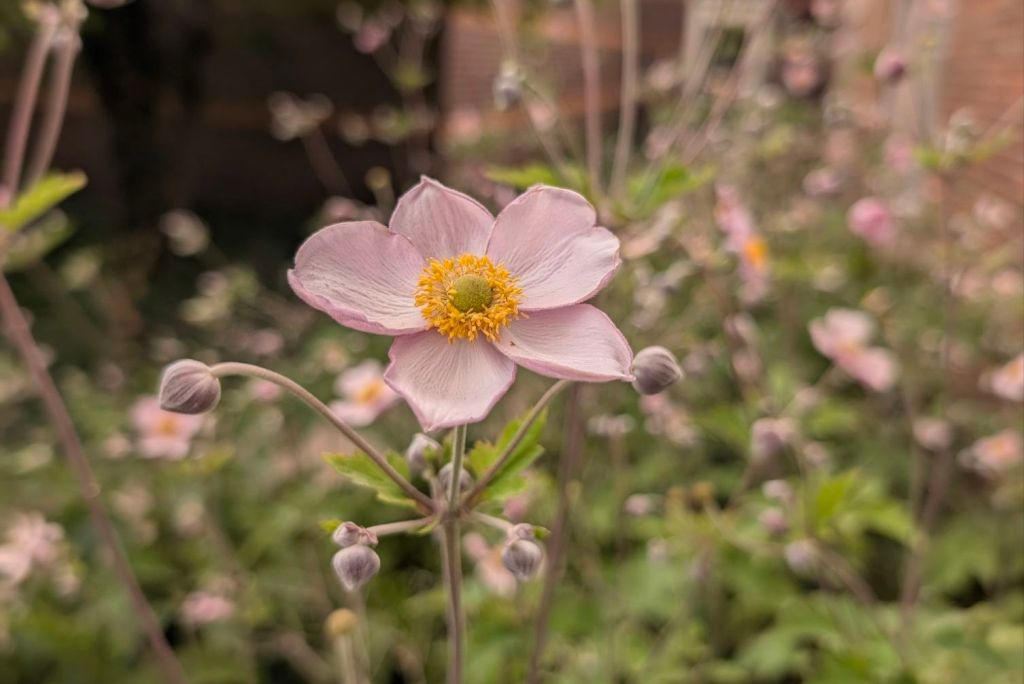
When we feel safe, our creativity opens like a wildflower—unplanned, luminous, impossible to command.
Imagine telling a story or showing a photo or piece of art to someone who loves you. Your words and vision tumble out, curious and brave, full of color and small, surprising truths. The art grows wings. Now imagine telling or showing your art or words to someone who watches too closely or who doesn’t know how to love you, who might punish a wrong word or misread a metaphor. Suddenly the images shrink. The language stiffens. The magic retreats into hiding. Fear does not kill creativity outright—it just teaches it to whisper.
This is why power fears art. In any form. And power could also be anyone you feel has power over you, not necessarily a regime.
To a dictatorial regime, literature and art are dangerous not because they shout, but because they slip through cracks. Like a wildflower. A painting can smuggle a question past a censor. A novel can plant dissent in the soil of metaphor. Stories create alternate realities when the state insists there is only one truth. They humanize the enemy, illuminate the failure, and remind people what it feels like to feel. And feelings—empathy, outrage, wonder—are the sparks that light collective action.
Art teaches people how to think sideways. It expands vocabulary, imagination, and the very concept of freedom. A population that can imagine alternatives is harder to rule. A child who is creative is harder to control. So books are banned. Murals are painted over. Songs are silenced. Not because they are weak—but because they work and bend perception.
And yet—this is the quiet miracle—art does not die under oppression. It learns to survive and thrive there.
Like weeds cracking concrete, creativity adapts. It becomes sharper, more symbolic, more alive. Some of the most beautiful art in the world was born in fear and carried hope like contraband. Art that endures oppression keeps the world from fading into gray compliance. It preserves beauty when beauty itself becomes an act of resistance.
We know, on a personal level, how this works too. Even alone, fear can patrol our minds. We worry about what we’ll uncover, what responsibility expression might demand of us, whether what we create or if we will be “enough” or if we can be loved just as we are. These inner regimes can be just as stifling as outer ones.
When fear—internal or external—tightens its grip, creativity becomes rebellion.
Before you create, imagine casting circle of protection. A ring of light. A hush of fire. A guardian presence that says: You are allowed to speak. Let it radiate unconditional love, curiosity, and permission. Let it promise that nothing you reveal will be punished. Sit in that warmth for a moment, and then let the current move through you.
Because when safety is denied by the world or those we were supposed to trust, artists learn to create it themselves. And when they do, beauty survives. Even under watch. Even in whispers. Especially then.
 The Ginger *Snap*s